Navigating bilingualization: Challenges and adaptation of Vietnamese master’s students in English-medium instruction under Taiwan’s Bilingual 2030 policy (2026)

Abstract

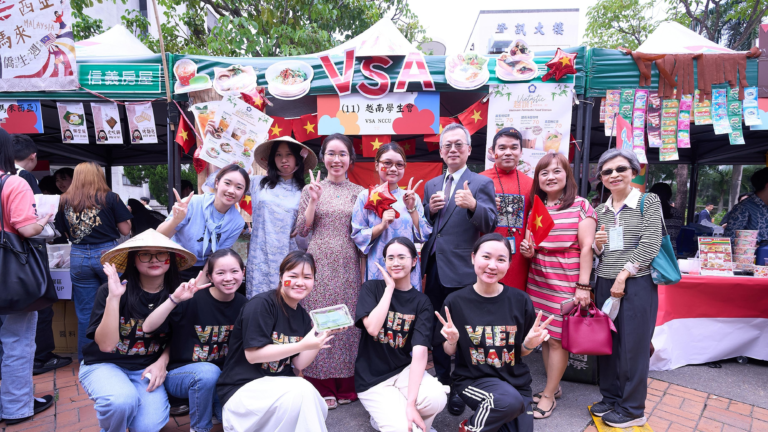
Purpose – This study investigates the challenges faced by Vietnamese master’s students enrolled in bilingual and English-Medium Instruction (EMI) programs in Taiwan. It examines how institutional, linguistic, cultural, financial, and health-related factors shape their academic and social adaptation within the bilingualization framework of Taiwan’s Bilingual 2030 Policy (BN2030). By doing so, it highlights implementation gaps and the sociolinguistic tensions embedded in Taiwan’s push for bilingual higher education.

Nomination patronage and party splitting: Comparing intraparty politics in South Korea and Taiwan. PhD Dissertation (2020)

Abstract

The political party is a central feature of representative democracy. In the post-War and Third Wave democracies of East Asia, durable political parties have contributed to national development and democratic consolidation. In this context, the transience of South Korean political parties is an anomaly. While no new, major parties have been created in Japan or Taiwan since the 1990s, more than ten major parties have been created or reorganized in South Korea during this thirty year period. Explaining this variation in party stability is critical for advancing democracy in South Korea and understanding democracy in East Asia.